-
Recent Posts
- James Monroe Memorial Foundation Invitation
- Society President publishes book on Virginia Militia Brigades during the War of 1812
- Membership eligibility requirements (Revised 2026)
- Annual Muster of the Society of War of 1812 in Virginia takes place in Richmond, Virginia, June 20, 2026
- New Society officers sworn in at annual muster on June 20, 2026
Recent Comments
- Nancy fox anderson on About
- gralion torile on Society lays wreath at tomb of President John Tyler on his birthday, March 29, 2023, at Hollywood Cemetery, Richmond, Virginia
- Cara Wright on About
- Stuart Butler on About
- Lawrence Price - Member of Society of the War of 1812 in the State of Maryland on About
Archives
- September 2026
- July 2026
- June 2026
- May 2026
- April 2026
- March 2026
- February 2026
- September 2025
- August 2025
- June 2025
- May 2025
- April 2025
- March 2025
- February 2025
- January 2025
- November 2024
- September 2024
- July 2024
- June 2024
- May 2024
- April 2024
- March 2024
- February 2024
- January 2024
- August 2023
- July 2023
- June 2023
- May 2023
- April 2023
- March 2023
- February 2023
- January 2023
- October 2022
- August 2022
- July 2022
- June 2022
- May 2022
- March 2022
- February 2022
- January 2022
- October 2021
- August 2021
- July 2021
- May 2021
- April 2021
- March 2021
- February 2021
- January 2021
- December 2020
- November 2020
- October 2020
- September 2020
- August 2020
- July 2020
- June 2020
- April 2020
- March 2020
- February 2020
- January 2020
- November 2019
- October 2019
- September 2019
- August 2019
- July 2019
- June 2019
- May 2019
- April 2019
- March 2019
- February 2019
- January 2019
- November 2018
- October 2018
- September 2018
- August 2018
- July 2018
- June 2018
- May 2018
- April 2018
- March 2018
- February 2018
- December 2017
- October 2017
- September 2017
- August 2017
- July 2017
- June 2017
- May 2017
- April 2017
- March 2017
- February 2017
- January 2017
- December 2016
- November 2016
- October 2016
- September 2016
- August 2016
- July 2016
- June 2016
- May 2016
- April 2016
- March 2016
- February 2016
- December 2015
- November 2015
- October 2015
- September 2015
- August 2015
- July 2015
- June 2015
- May 2015
- April 2015
- March 2015
- February 2015
- January 2015
- November 2014
- October 2014
- September 2014
- August 2014
- July 2014
- June 2014
- May 2014
- April 2014
- March 2014
- February 2014
- December 2013
- November 2013
- October 2013
- September 2013
- August 2013
- July 2013
- June 2013
- May 2013
- March 2013
- February 2013
- January 2013
- November 2012
- October 2012
- September 2012
- August 2012
- July 2012
- June 2012
- May 2012
- April 2012
- March 2012
- December 2011
- October 2011
- September 2011
- August 2011
- June 2011
- May 2011
- March 2011
- February 2011
- December 2010
- November 2010
- October 2010
- September 2010
- August 2010
- July 2010
- June 2010
- May 2010
Categories
Links
- Bookstore for members
- Library of Virginia War of 1812 records and publications
- National Society War of 1812
- On-Line Bookstore for members
- VA Bicentennial Commission Facebook Page
- VA Society Sons of the American Revolution
- Virginia Cemeteries
- Virginia Society US Daughters War of 1812
- War of 1812 material at the National Archives
- War of 1812 Military Publications & Records
Meta
1812 Society Meeting of 26 September 2010
Posted in Meetings
Comments Off on 1812 Society Meeting of 26 September 2010
1812 Society event of September 25, 2010
Posted in Meetings
Comments Off on 1812 Society event of September 25, 2010
1812 Society Meeting September 11, 2011
1812 Meeting September 11. 2010 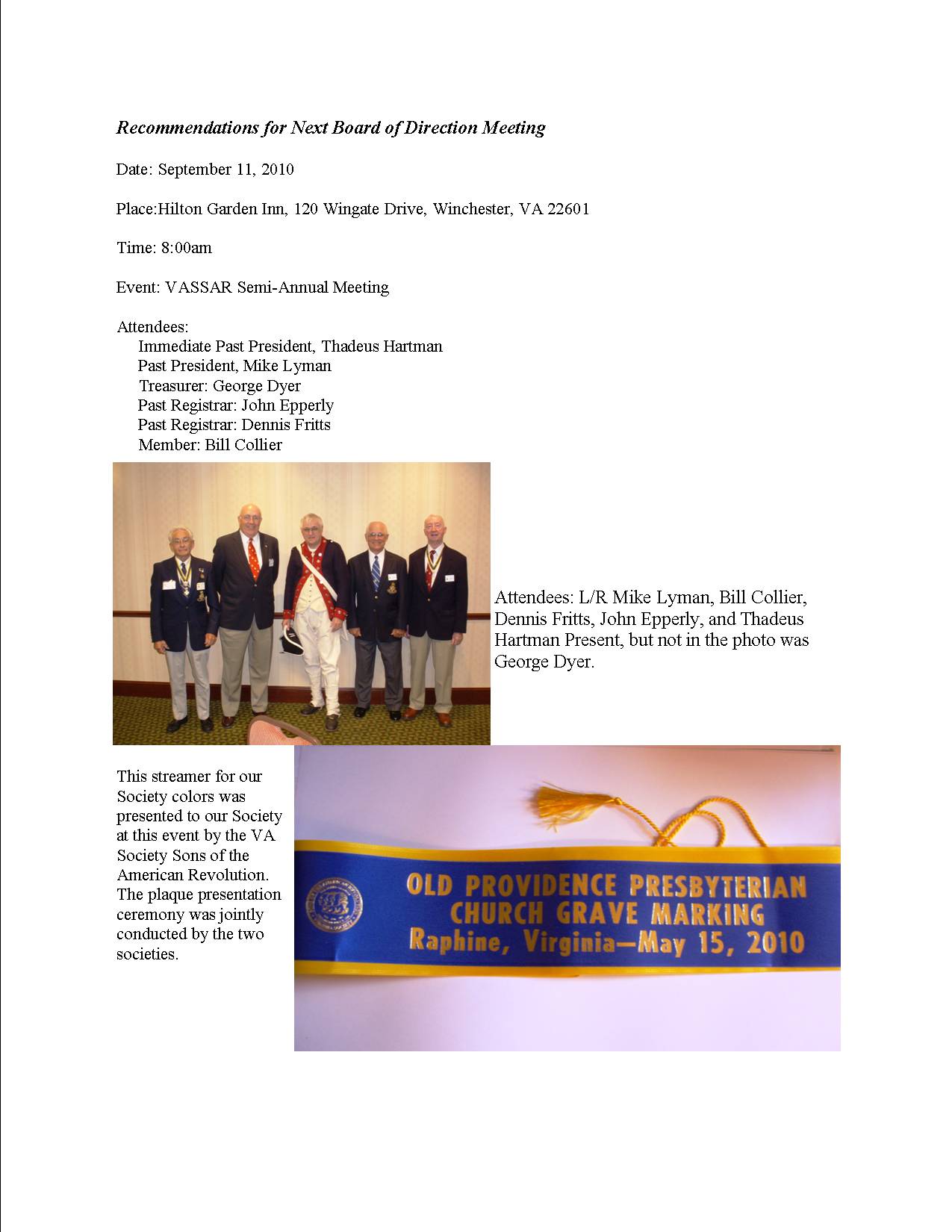
- 1812 meeting 11 Sep 2010
Posted in Meetings, Uncategorized
Comments Off on 1812 Society Meeting September 11, 2011
Battle of Craney Island Remembered June 20, 2010
1812 Battle of Craney Island Flyer
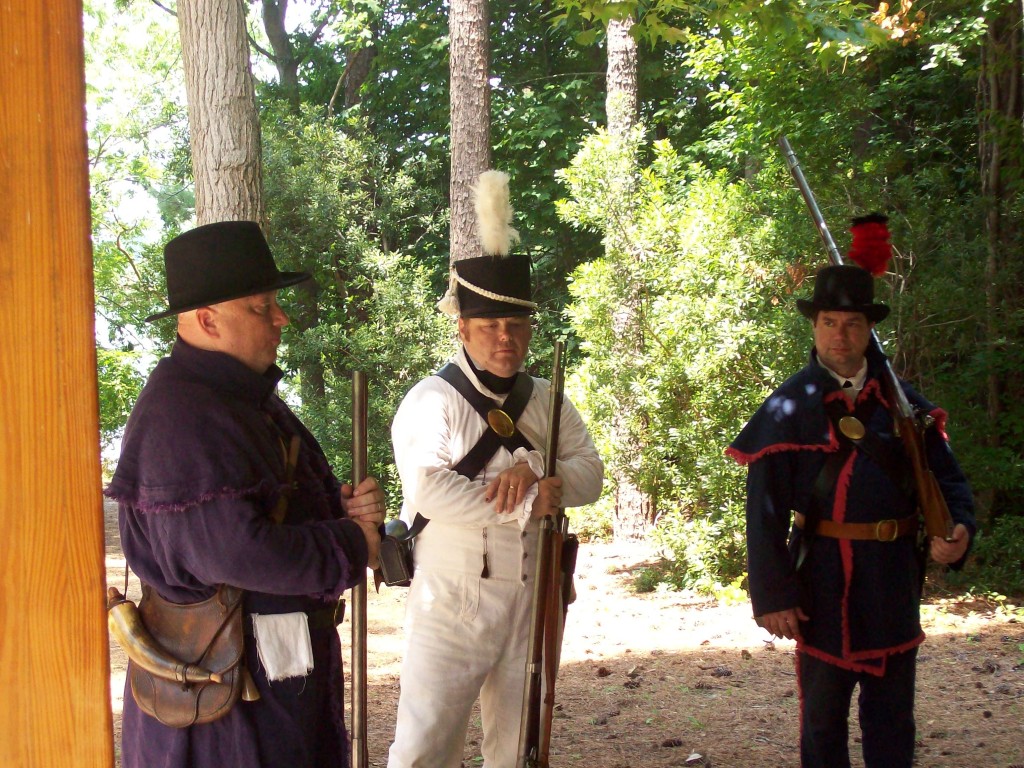
- Craney Island Ceremony Member Forrest & Reenactors
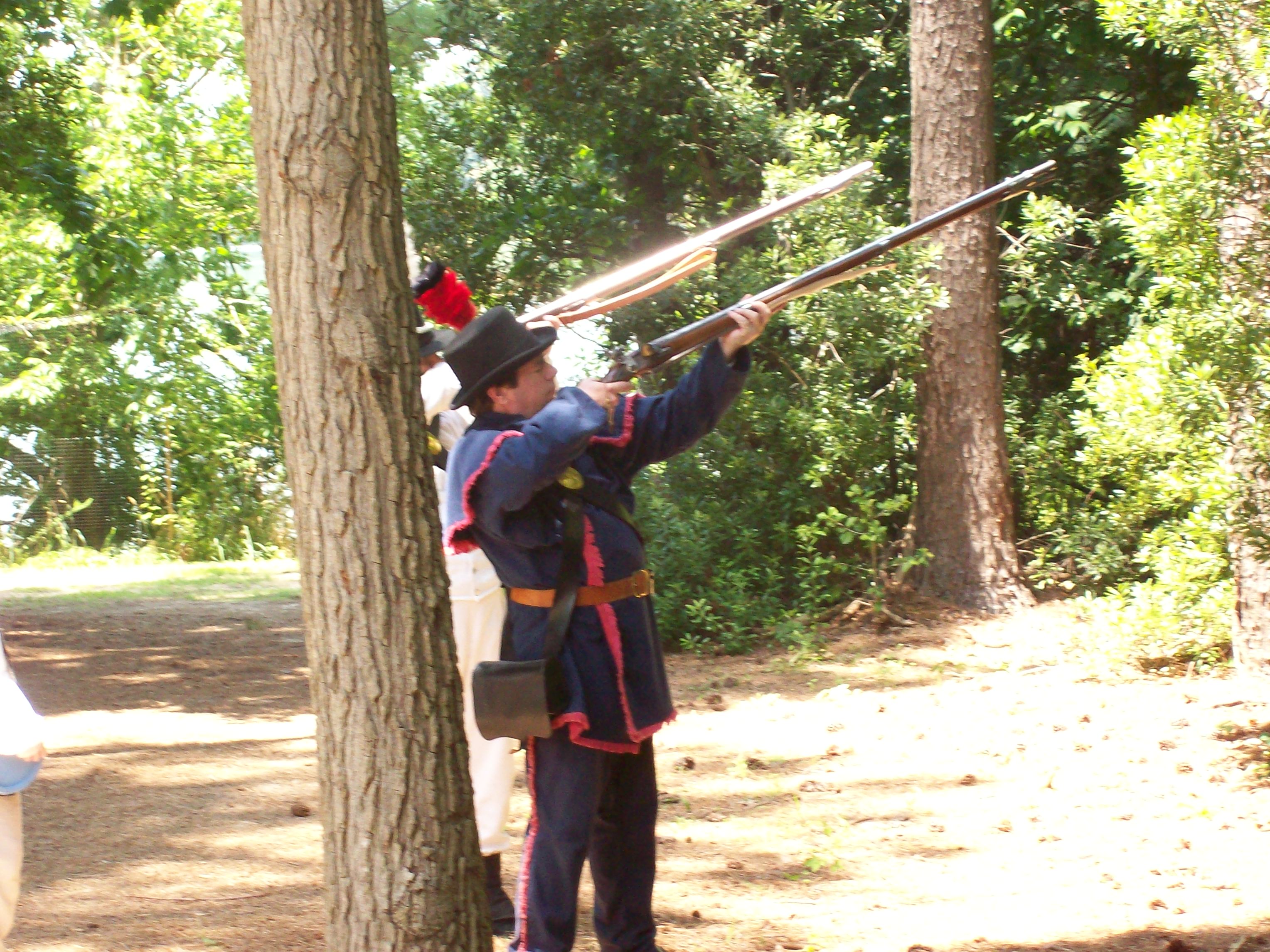
Craney Isand Ceremony- Society member Forrest fires Musket
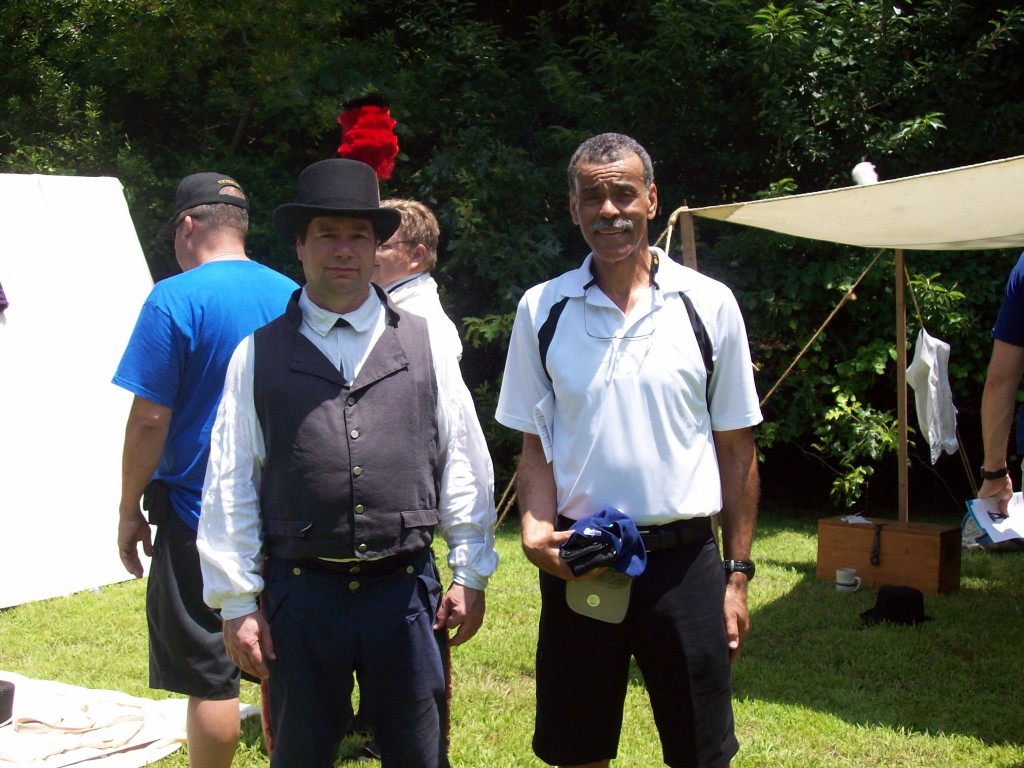
- Craney Island Ceremony attendees- Green & Forrest
1812 Burial Project
3,339 VETERANS of the WAR of 1812 BURIED in VIRGINIA
Compiled by War of 1812 Society in VA as of 12 June 2010
Contact Mike Lyman for details. (Note as of December 2011 the list has increased to 4270 burials in Virginia and in doing so some up-dating of what is posted here has been done and some names posted here have been eliminated. A publication is pending for 2012)
Links to PDF files comprising the 1812 Burial Project are below.
1812-Veterans-3339BurialsbyVeteran
Posted in 1812 Burials in VA
5 Comments
Information on 465 War of 1812 Veterans Buried in Selected Areas of Virginia
Information on War of 1812 Vets Buried in Virginia (.doc format)
Information on War of 1812 Vets Buried in Virginia (.pdf format)
Posted in 1812 Burials in VA, 1812 Publications
29 Comments
War of 1812 in the Southern Northern Neck
Posted in 1812 Publications
1 Comment
1812 Veteran Burials at St. John’s Episcopal Church, Richmond, VA
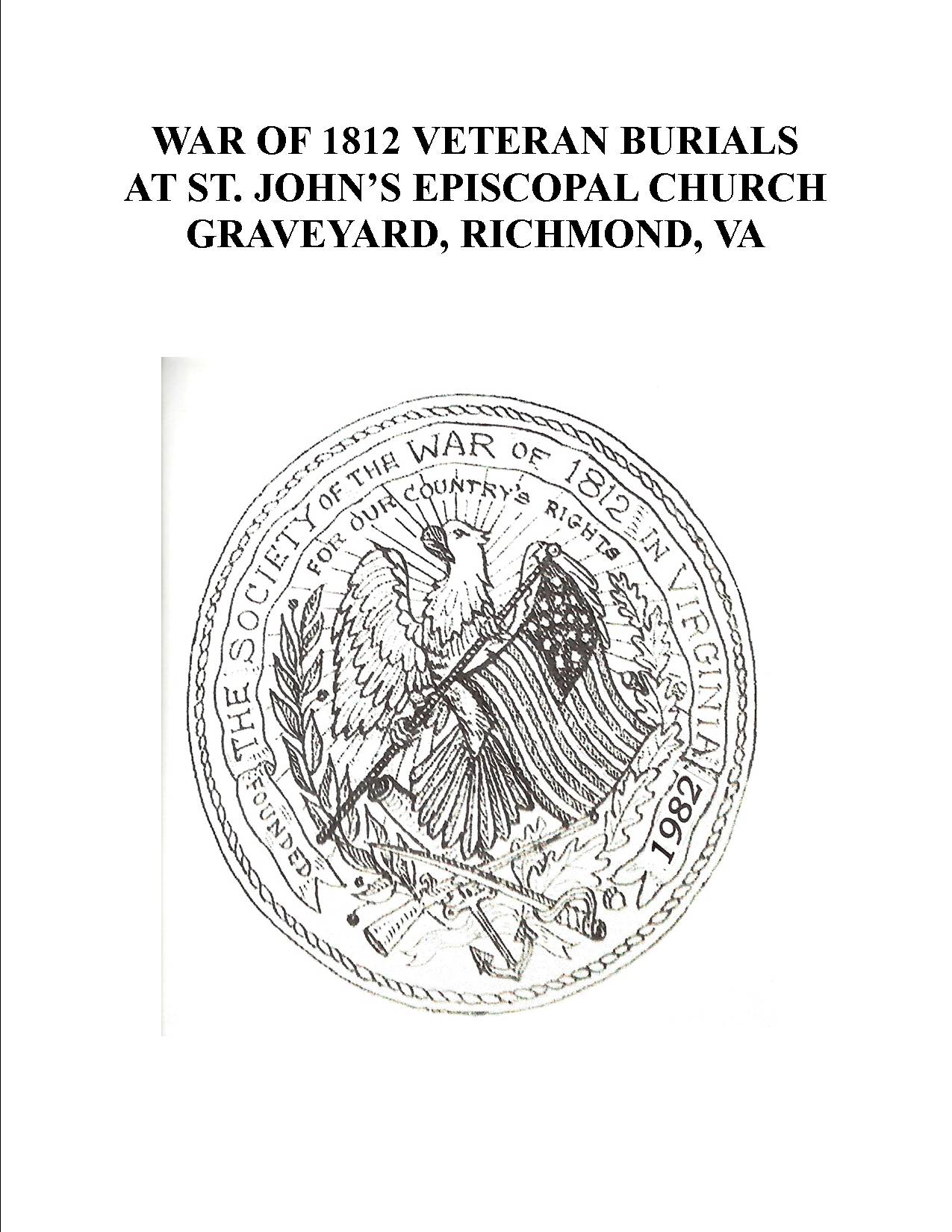
1812 Burials St John’s Church, Richmond
This booklet was distributed to Virginia libraries in August 2009.
Posted in 1812 Publications
Comments Off on 1812 Veteran Burials at St. John’s Episcopal Church, Richmond, VA
Introduction
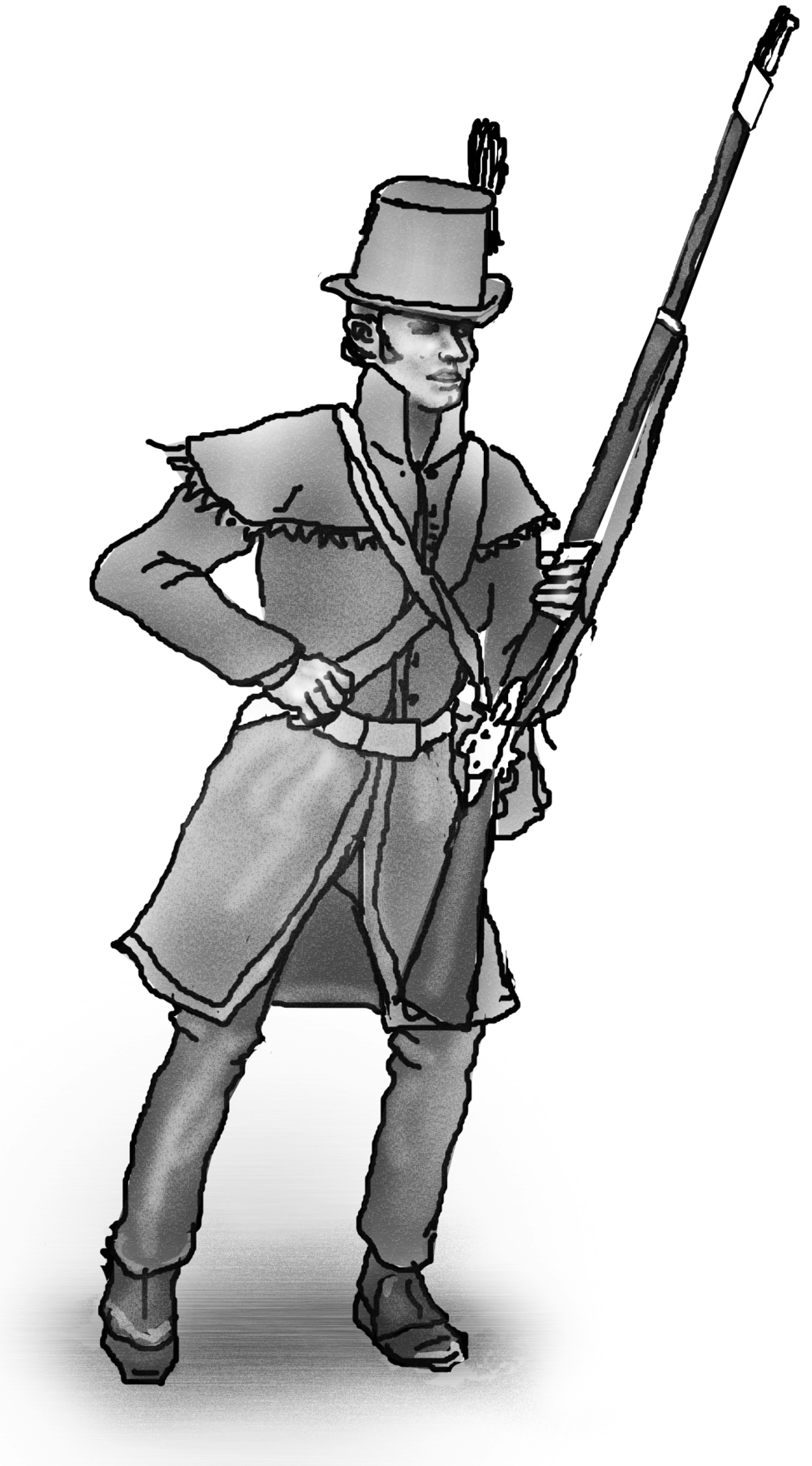
In the early 1800’s, the British and French were involved in a protracted war known as the Napoleonic wars. The United States declared its neutrality and attempted to trade freely with all of the belligerent parties. This angered both the British and French who attempted by various means to interfere with US trade and the rights of US citizens.
Finally on June 18 1812 at the request of President James Madison, Congress declared war on Britain. The stated reason for the war was to force Britain to respect U. S. sovereignty but a significant objective of the War Hawks in Congress was to annex all or a portion of Canada.
The War was fought at sea, along the Canadian border, on the western frontier, and in the Chesapeake. Virginia troops served in Virginia, in the Canadian campaign, the defense of Baltimore and elsewhere.
Thirty one months elapsed between the declaration of war and the ratification of the Treaty of Ghent. For twenty four of those months, a substantial British naval force blockaded and occupied the Chesapeake Bay. Although all counties bordering the Bay and the navigable portions of the Potomac, Rappahannock, York and James rivers were affected, the most significant economic losses occurred in the Northern Neck counties of Northumberland and Westmoreland and in Accomack County on the Eastern Shore.
The British objective in the Chesapeake Bay was to: 1. cripple the American economy by destroying American merchant shipping, 2. protect British commercial vessels from attack by American naval vessels and the numerous privateers sailing out of Baltimore, and 3. divert American troops from the Canadian border to the Chesapeake
Virginia was defended almost entirely by a part time local militia which was poorly trained, armed, and equipped. Although greatly outnumbering the British, they were disbursed throughout the Chesapeake region and could not be quickly gathered in sufficient force to match the size of British landing parties. The Bay and rivers were the highways and the British controlled them. The British never had more than 3,000 troops available to attack Virginia targets.
In 15 instances the British landed between 500 and 3,000 troops to battle the militia. In only one engagement, Craney Island, did the militia prevent the British from accomplishing their goal. In addition there were numerous landings by small groups to procure water, meat and other supplies. Occasionally these landings resulted in skirmishes with the militia but frequently the British landed and departed before the militia could gather in sufficient force to oppose them. There are no reliable overall casualty figures for these engagements but due to the high number of British casualties at the battles at Craney Island and Hampton, it would appear that the British losses exceeded that of the Americans. The British also reported over 300 desertions in the Chesapeake area, but it was probably considerably higher.
In ship to ship encounters involving a British Naval vessel, the British invariably won. The British captured or destroyed several hundred commercial vessels plus several dozen armed privateers and naval vessels.
The British encouraged, assisted, and provided refuge to escaping slaves. After the War, Virginians claimed that over 3,000 slaves were taken by or made their way to the British during the war. Most of these ex-slaves were resettled in Halifax, Nova Scotia, Bermuda or the islands of the West Indies.
————
Source: Encounters with the British in Virginia During the War of 1812 by Myron (Mike) E. Lyman, Sr. and William W. Hankins, published byThe Society of the War of 1812 in the Commonwealth of Virginia. Copyright 2008-2009 by The Society of the War of 1812 in the Commonwealth of Virginia.
Posted in 1812 Battles & Skirmishes in VA, Encounters
6 Comments